31 August 2026
Cambridge Says Some Buildings Are No Longer Economical to Repair. That Decision Needs Evidence, Not Fatigue
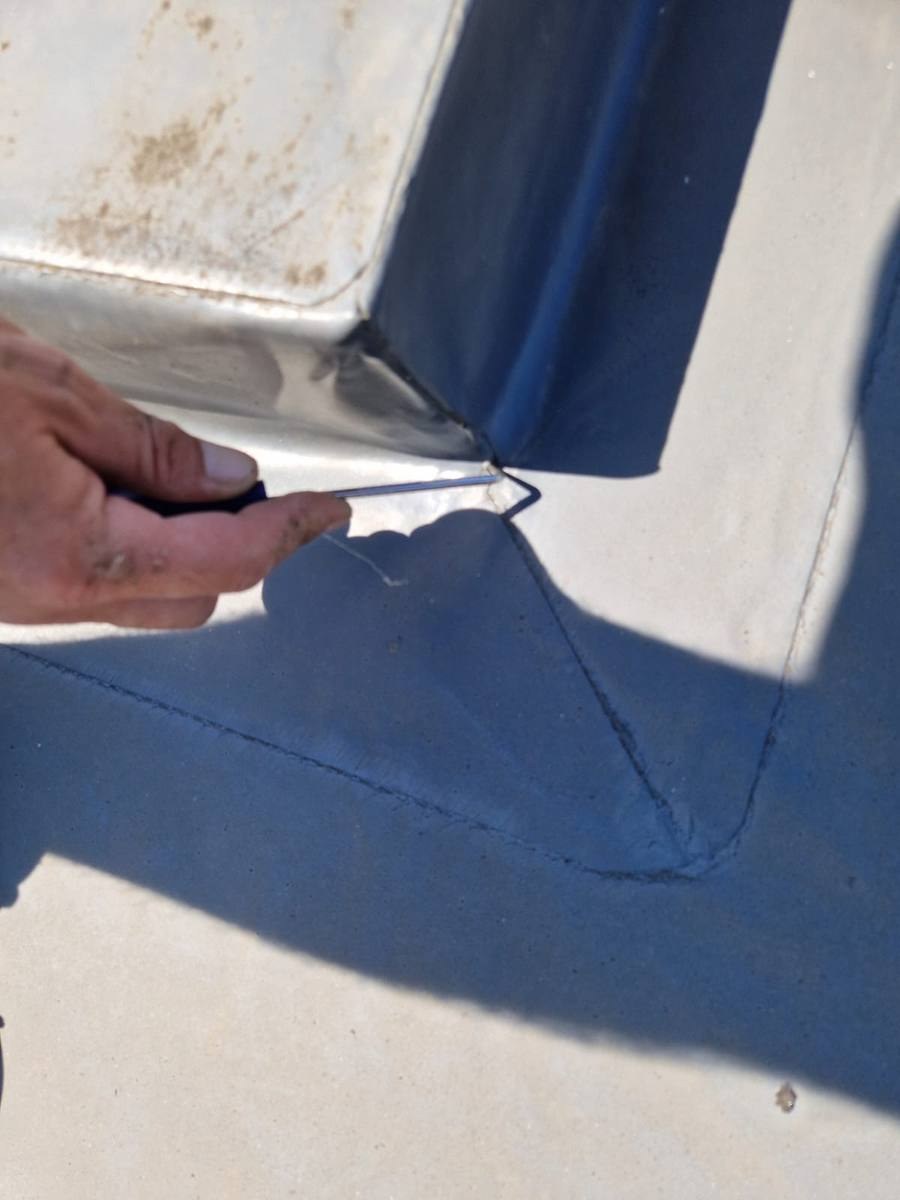
A building does not become uneconomic to repair because everybody is exhausted by it. The figures and the condition should make that case.
Repair fatigue is real. It is also a poor substitute for a lifecycle assessment.
North Cambridge’s proposed regeneration openly states that structural, fire, damp and mould problems have made continual repair unaffordable for some homes. Commercial roof owners face the same category of decision on a smaller scale. The right route is to prove what repeated repair is buying, what risk remains and whether planned refurbishment or replacement delivers better value.
When do repeated roof repairs stop being economical?
Repeated repairs stop making commercial sense when they address symptoms without extending the useful life of the wider roof, when access and disruption form a large part of every visit, or when the residual risk remains unacceptable. A condition survey should compare repair, refurbishment and replacement over an agreed period rather than judging each invoice in isolation.
“Unaffordable to keep repairing” is a conclusion, not a feeling
Cambridge City Council’s north Cambridge proposals include more than £80 million of investment and the replacement of 149 existing flats. The council cited poor condition, structural issues, fire and safety risks, damp and mould, and said continual repair and refurbishment had become unaffordable.
That is a serious conclusion because it affects people, budgets and existing assets. The same phrase appears in commercial property discussions, often with much less evidence: “We have spent enough on that roof. It needs replacing.”
The fact that a roof has been repaired many times proves expenditure. It does not automatically prove that the correct areas were repaired or that replacement is now the only route.
The decision should begin by separating recurring failure of one detail from deterioration across the system. A leaking gutter joint, failing rooflight, cut edge corrosion and widespread sheet failure do not carry the same implication.
Ask what the previous repairs actually bought
A repair should achieve something measurable. It may stop a local leak, stabilise corrosion, extend a component’s life or provide temporary weathering until a planned project. Problems begin when every repair is sold as a fresh solution while the building continues following the same decline.
Review the history. Which areas were treated? Did the water entry return in the same place? Were photographs and product details retained? Was the diagnosis confirmed, or did the operative seal the most obvious joint? How much of the cost was access rather than the work itself?
The defect was isolated, the cause understood and the surrounding roof remains serviceable.
The intervention was deliberately short term and connected to a planned later project.
The same symptoms return because the wider system or water path was never resolved.
Scaffold, MEWP or internal protection is repeatedly paid for without combining related works.
Compare the routes over the same period
A £20,000 repair and a £200,000 replacement cannot be compared as if they buy the same outcome. The useful comparison is the cost, risk and service life over a defined period.
If the repair is expected to hold one area for three years while other defects remain, it should be assessed honestly on that basis. If refurbishment could extend the roof by ten or fifteen years, include the access, insulation, rooflight, gutter and warranty benefits. If replacement is expected to deliver a much longer life and remove repeated internal disruption, value that consequence as well.
| Question | Repair | Refurbishment | Replacement |
|---|---|---|---|
| What area is addressed? | Defined defect or component | Wider roof system | Complete agreed covering and details |
| What life is expected? | Short or local extension | Medium term planned extension | Longer planned service life |
| What uncertainty remains? | Often much of the existing roof | Depends on retained build up | Existing structure and interfaces still need assessment |
| What disruption is avoided later? | Limited unless defect is isolated | Can combine several liabilities | Can remove repeated roof level intervention |
Replacement is not automatically the brave decision
Once repeated repair has frustrated a client, full replacement can sound like the only decisive option. It may be correct. It can also be an expensive reaction if the structure, substrate or most of the covering remains viable.
Replacement still needs a defined scope, survey information, access plan and understanding of the live building. It may expose hazardous materials, structural limitations or internal protection requirements that were not visible in the headline budget.
A credible contractor should be willing to explain when replacement is excessive as well as when patching is no longer honest. The aim is not to sell the largest project. It is to match the intervention to the evidence and the client’s required life.
Our verdict: stop judging each invoice separately
A repair budget can become a ransom payment
If every leak forces another isolated access setup and another local patch, the building is controlling the timing and terms of the spend. That is the point to step back and compare a planned route.
Repair where the defect is truly local. Refurbish where the wider roof can deliver useful life. Replace where the evidence shows that retention is no longer honest.
TCR carries out commercial roof surveys, refurbishment and replacement in Cambridge and across the UK. We can help clients understand whether recurring defects remain local, whether a larger system is failing and what information is needed before a capital decision.
Relevant roofing and cladding routes
Frequently asked questions
How many repairs are too many on a commercial roof?
There is no fixed number. The important questions are whether the same defects recur, whether the wider roof remains serviceable, how much repeated access costs and what life each repair is expected to provide.
Can a roof condition survey compare repair and replacement?
Yes. A useful survey can identify defects, limitations and further investigations, then support an options comparison based on scope, risk, disruption and expected service life.
Does TCR carry out commercial roof replacement in Cambridge?
Yes. TCR carries out commercial roof surveys, refurbishment, replacement, overcladding and associated work in Cambridge and nationally.
Official sources
- Cambridge City Council: proposed £80 million north Cambridge investment — Published 13 October 2025.
This is independent commentary on publicly available information. Total Cladding and Roofing Ltd is not claiming appointment to, endorsement by or involvement in the named development unless expressly stated elsewhere.
Caught between another repair and a capital project?
Send TCR the repair history, photographs, previous reports, roof information and the life you need from the building. We can discuss the evidence required to compare repair, refurbishment and replacement properly.
Send the project detailsBrowse more analysis for commercial property and construction decision makers.
View all TCR insightsThe article is general commercial and technical commentary, not a substitute for a project-specific survey, design, structural assessment or specification.