31 August 2026
Cardiff Is Investing in Schools and Public Buildings. Condition Data Must Decide Which Roof Gets Money First
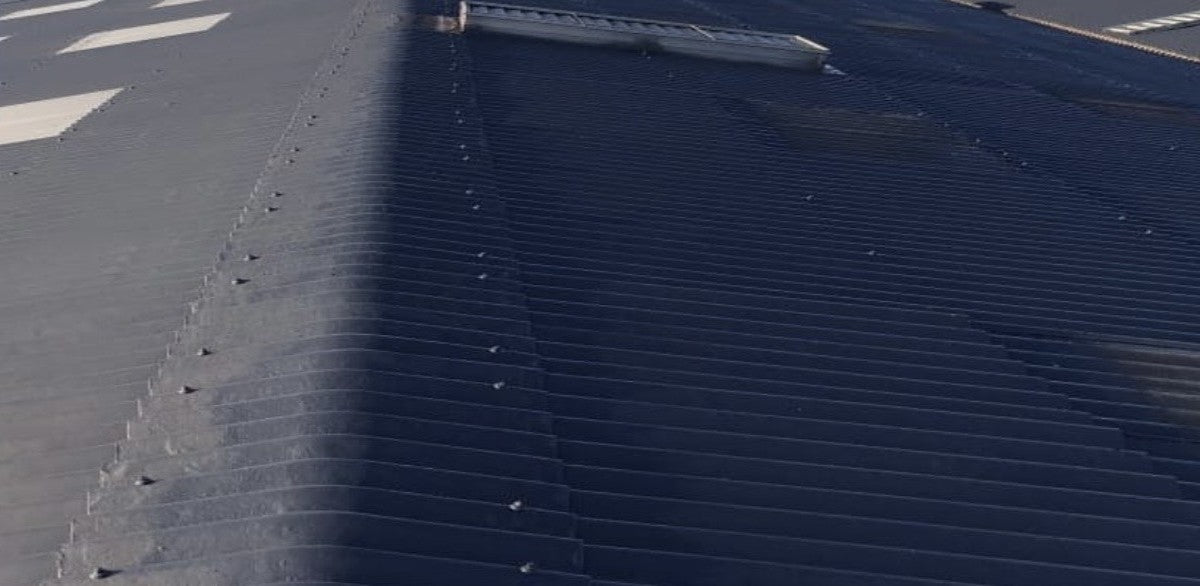
Public estates do not fail evenly. One roof is dry, one is deteriorating quietly and one is a storm away from closing a classroom.
Equal spending across buildings is not equal risk management.
Cardiff’s investment in education and public assets is substantial. The roof programme should be driven by comparable condition and consequence data, not the loudest complaint, the oldest building or an equal share of the budget for every site.
How should a public estate prioritise roof investment?
A public estate should compare roof condition, remaining life, safety, water ingress, operational importance, access, hazardous materials, energy projects and the consequence of failure across all sites. The result should separate immediate risk, planned refurbishment, monitoring and longer term replacement so capital funding is directed where delay creates the greatest cost or disruption.
A large investment programme still needs a ranking method
Cardiff Council states that more than £460 million has been invested in the school estate through its education investment programme, supported by several funding routes. The wider capital programme includes school buildings, core office replacement, transport and major economic development.
Capital programmes create opportunity and pressure. Every building has a case. The roof that leaks has photographs. The building with old rooflights has a safety concern. The newer school has solar ambitions. The office being retained needs another fifteen years of credible service.
A budget is not a roof strategy until somebody can explain why Building A comes before Building B.
The ranking should be repeatable and understandable to estates, finance and building users. Otherwise political urgency and local complaints can displace the less visible risks.
Condition and consequence must be read together
A poor condition score does not carry the same consequence on every building. A local store roof and a teaching block may have similar defects and very different disruption if they fail.
The estate should therefore combine physical condition with occupancy, vulnerable users, critical rooms, alternative accommodation, internal finishes, electrical exposure and the ability to isolate an area. Safety concerns such as fragile rooflights or unsafe access also need their own priority, even where no leak is active.
Active safety or water ingress issue with serious operational consequence.
Deterioration that can still be programmed before failure and emergency access costs.
Serviceable roof with defined local defects and a sensible inspection interval.
Important unknowns such as concealed decks, asbestos, drainage or structural capacity.
A zero carbon building still needs a dry roof
Cardiff’s education programme aims to create excellent zero carbon learning facilities. Energy investment is valuable, but it should not run ahead of roof condition.
Solar panels, insulation upgrades and new plant can extend the time, cost and complexity of later roof work. Before those systems are approved, the estate should understand the roof’s remaining life, structural suitability, drainage, rooflights, access and warranty position.
The same principle applies to an existing building receiving internal efficiency works. New ceilings and services can conceal the first signs of water entry and make later access more disruptive. Decarbonisation should coordinate with the asset renewal plan rather than compete with it.
A survey report must help somebody spend money
Public estates can accumulate reports that describe defects in detail and still fail to create a programme. A useful survey should be clear about urgency, scope, uncertainty and the likely consequence of doing nothing.
It should distinguish observations from conclusions, identify areas not accessed, recommend further investigation where necessary and explain whether work is local, building wide or connected to another planned project. Photographs need locations and context, not simply arrows towards corrosion.
Most importantly, reports across an estate should use a consistent enough method to compare buildings. A brilliant report on one school and a one page list for another will not support a defensible capital ranking.
Our verdict: fund the consequence before the complaint
The quiet roof may be the greater risk
Cardiff’s public investment should be supported by roof and envelope data that allows estates teams to see beyond active leaks. Planned intervention is cheaper and less disruptive when the building has not yet chosen the timing.
Survey consistently, rank honestly and combine roofing with energy, access and wider estate plans wherever practical.
TCR carries out commercial and public sector roof surveys, refurbishment, replacement, overcladding, safety netting and access related work in Cardiff and nationally. We can support building specific or estate wide condition and scope discussions.
Relevant roofing and cladding routes
Frequently asked questions
What should a school roof condition survey include?
It should cover the roof covering, structure where accessible, rooflights and fragility, gutters and drainage, penetrations, flashings, previous repairs, water ingress, access, hazardous materials, remaining life and recommended priority.
Can several public buildings be ranked in one roof programme?
Yes. A common assessment method can compare condition, consequence, safety, remaining life, access and operational importance across an estate.
Does TCR carry out public sector roofing in Cardiff?
Yes. TCR carries out commercial and public sector roof surveys, refurbishment, replacement, overcladding, safety netting and associated work in Cardiff and across the UK.
Official sources
- Cardiff Council: Sustainable Communities for Learning investment programme — Education estate investment overview.
- Cardiff Council: Capital Programme 2025 to 2030 — Wider capital investment context.
This is independent commentary on publicly available information. Total Cladding and Roofing Ltd is not claiming appointment to, endorsement by or involvement in the named development unless expressly stated elsewhere.
Need a clearer roof priority across a public estate?
Send TCR the building list, available surveys, known issues, access constraints and planned energy or capital works. We can discuss a condition and scope route that supports defensible prioritisation.
Send the project detailsBrowse more analysis for commercial property and construction decision makers.
View all TCR insightsThe article is general commercial and technical commentary, not a substitute for a project-specific survey, design, structural assessment or specification.