31 August 2026
Free Commercial Roof Surveys Are Often Sales Visits in Disguise
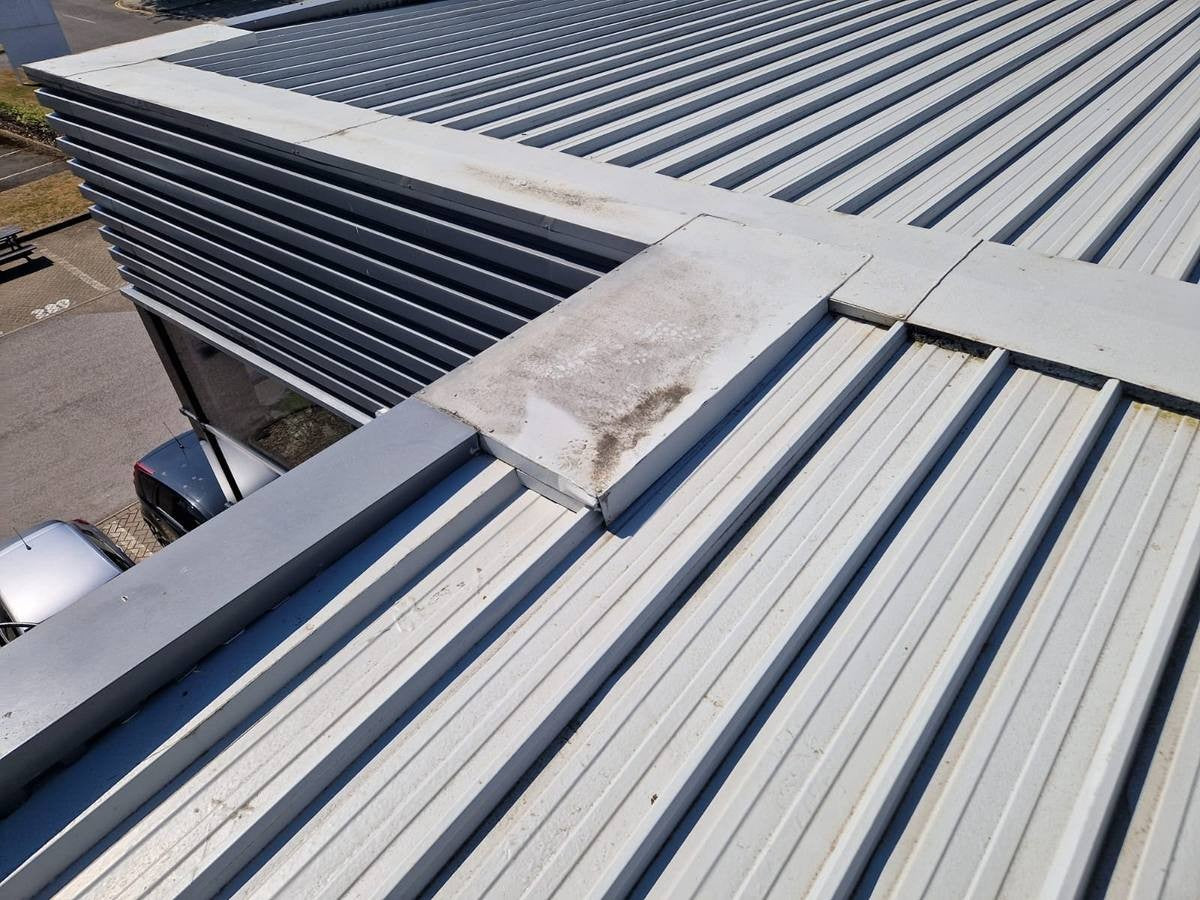
Industry opinion
A free site visit can be useful, but clients should not confuse a contractor quotation visit with an independent, evidence based roof condition survey.
If a client needs a report that can support budgets, landlord decisions, insurance, tendering or planned capital works, the survey is a professional product and should be treated as one.
Direct answer
A free commercial roof visit is usually designed to help a contractor price work. A professional roof survey should define the inspection scope, record limitations, photograph defects, assess priorities, investigate reported water ingress and give the client a written route from condition to action. The two services can overlap, but they are not the same.
Project evidence: a survey should produce a decision record
One anonymised TCR instruction covered three roof and cladding areas and produced a single report that connected visible defects, likely water paths, priorities and recommended next actions.
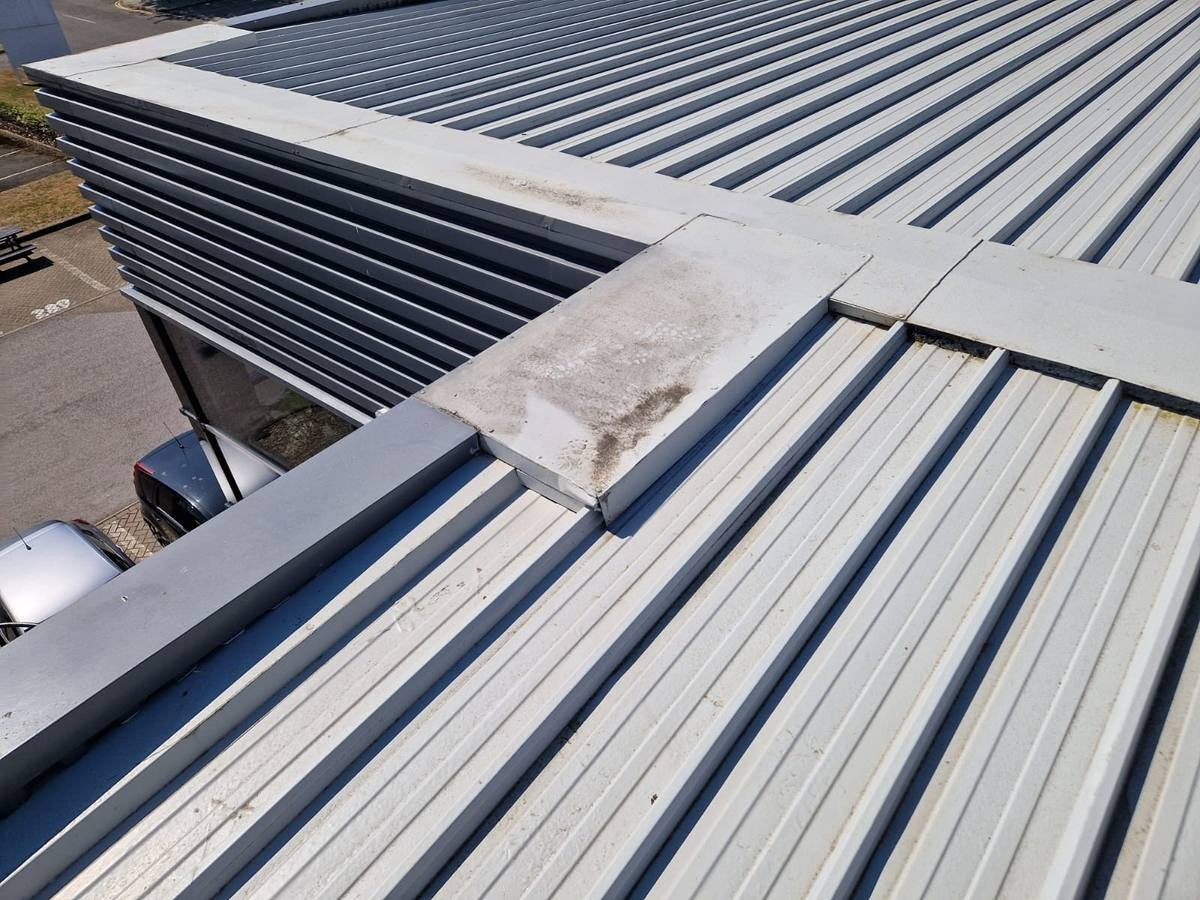

The value came from the evidence and prioritisation, not from presenting a quotation as though it were an independent condition report.
Why “free survey” sounds better than it is
The word survey suggests analysis, evidence and a report. In practice, many free surveys are sales visits. A representative walks the roof, takes a few photographs and prepares a quotation for the product or repair the company sells most often.
That visit may still be useful. The contractor may identify an obvious defect and propose a sensible fix. The problem begins when the client assumes they have received a condition assessment capable of supporting a larger commercial decision.
What a professional survey should produce
- A defined building and roof area scope.
- The inspection method, access route and important limitations.
- A photographic record tied to identifiable defects and locations.
- Condition ratings or priorities that distinguish urgent, high priority and planned work.
- Leak investigation that considers routes of travel, not only the point where water appears internally.
- Clear recommendations separating maintenance, local repair, refurbishment, opening up and replacement.
- A written report the client can issue to decision makers, consultants or tenderers.
On one anonymised life sciences facility, TCR inspected the building envelope and three roof areas, recording 46 photographs. The visible problems included failed curtain wall seals, poor metal roof repairs, open details in a single ply roof and obstructed drainage at a plant room. A single “repair the leak” quote would not have represented that building honestly.
The conflict a client should understand
A contractor can be both surveyor and proposed installer, but the commercial interest should be clear. If the inspection is free because the contractor hopes to win the work, the report may naturally focus on that contractor’s services. That does not make it dishonest. It means the client should understand what has and has not been commissioned.
A professional survey should be valuable even if the client never awards the resulting works to the surveyor.
When a free visit is perfectly reasonable
Not every enquiry needs a paid report. A free quotation visit can be appropriate where the defect is obvious, the scope is already written, the client has drawings and quantities, or the visit is simply to confirm access and price a defined project.
The mistake is paying nothing for the investigation and then expecting the contractor to assume professional responsibility for hidden conditions, a complete diagnosis and a tender ready specification. The output has to match the decision.
How clients should brief the survey
| Decision required | Survey emphasis | Useful output |
|---|---|---|
| Find the likely water ingress route | Interfaces, drainage, laps, penetrations and internal evidence | Leak investigation with limitations and next tests |
| Plan annual maintenance | Condition and priority across all roof areas | Budgeted action plan and photographic schedule |
| Choose repair, refurbishment or replacement | Remaining life, extent of failure, build up and operational constraints | Options appraisal and recommended next stage |
| Prepare a tender | Measured scope, details, access, safety, interfaces and performance requirements | Tender information suitable for comparable returns |
| Support acquisition or lease decision | Material liabilities, urgent defects and foreseeable capital expenditure | Due diligence report for the client team |
Why paying for evidence can save money
A proper survey can prevent three contractors pricing three different jobs. It can identify when an isolated repair is enough and when repeated patching is consuming budget without changing the roof trajectory. It can also stop a client buying an unsuitable coating, overclad or replacement simply because that was the first solution offered.
Related TCR insight
Browse buyer guidance, technical project lessons and construction market analysis from TCR.
Explore all commercial roofing insightsRelevant TCR services
Frequently asked questions
Does TCR charge for commercial roof surveys?
TCR offers professional roof condition and leak detection surveys with a defined scope and written report. Pricing depends on roof area, access, number of buildings and report requirements.
Can a survey identify every leak without opening the roof?
No. A non invasive survey can identify visible defects and likely routes, but some problems require testing, opening up or specialist investigation.
Can the report be used to obtain quotations?
Yes, where the commissioned scope includes sufficient measured and technical information. A condition report alone is not automatically a full tender specification.
Is a free quotation visit still useful?
Yes, where the work is already defined or the defect is straightforward. The client simply needs to distinguish a quotation visit from a professional survey.
Client confidentiality: The survey example is based on an anonymised TCR client report. The client and facility names have been removed.
Need evidence rather than another sales visit?
TCR combines roof-condition reporting and leak investigation in one planned survey route, with visible defects, likely water paths, priorities and practical next steps recorded.
Arrange a professional roof survey