31 August 2026
Putting Solar on Schools and Hospitals Is the Easy Part. First Check the Roof
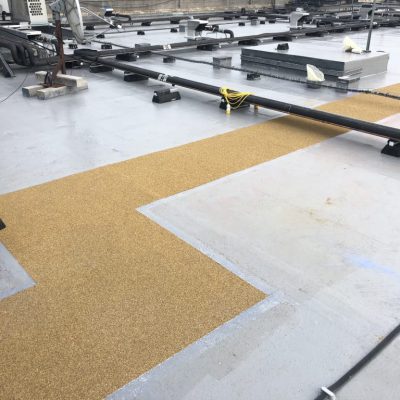
Future buildings
Rooftop solar can cut public sector energy costs, but installing it above an ageing roof can turn an energy project into a future removal and reinstatement liability.
The public sector should not measure solar success by panels installed. It should measure reliable generation without creating an avoidable roof failure beneath them.
Direct answer
Before solar PV is installed on a school or hospital, the estate team should confirm roof condition and life, structural capacity, waterproofing interfaces, drainage, fragile areas, fire and insurer requirements, safe access, maintenance zones and warranty compatibility. Where major roof work is foreseeable, it should be coordinated before or with the solar installation.
The programme is significant
Government and Great British Energy programmes have targeted rooftop solar on around 200 schools and around 200 NHS sites. The objective is compelling: reduce energy bills and reinvest savings in frontline services.
The roofing risk is equally straightforward. Many public buildings have complex estates, ageing coverings, historic repairs, fragile rooflights, blocked drainage and limited maintenance access. Solar does not remove those conditions. It makes future access more complicated.
The roof and the solar business case run on different clocks
A PV model may assume decades of generation. A roof may have only a few reliable years remaining. If the mismatch is ignored, the estate can pay for scaffolding, electrical isolation, panel removal, storage and reinstatement when the waterproofing later needs replacement.
A cheap solar installation can become an expensive roofing obstruction.
Public buildings make access and disruption harder
- Schools have term dates, safeguarding, pupil routes and limited shutdown periods.
- Hospitals contain critical services, restricted areas and continuous occupation.
- Plant, vents and fire routes may constrain panel layouts.
- Fragile rooflights can be difficult to see beneath or between arrays.
- Gutters and outlets must remain accessible for routine maintenance.
- Roof warranties and insurer requirements may restrict penetrations or unauthorised work.
- Future roof repairs need safe routes around electrical equipment.
A roof readiness schedule should precede the PV layout
| Review area | Decision required before PV |
|---|---|
| Condition | Can the roof reliably outlast the intended solar period or should work be coordinated now? |
| Structure | Can the building support panels, ballast, access and environmental loads? |
| Waterproofing | How will supports, cables and penetrations avoid compromising the roof? |
| Drainage | Will gutters, outlets and valleys remain visible and maintainable? |
| Fire and insurance | What separation, access, product and emergency requirements apply? |
| Maintenance | Who owns inspection, cleaning, vegetation, roof repairs and system isolation? |
| Warranty | How will roofing and PV responsibilities interact over time? |
The opportunity is to renew two assets together
Where a roof is due for refurbishment, solar can improve the business case for coordinated capital work. Replacement may allow insulation improvement, safer access, clearer drainage and a known warranty route. Overcladding may be suitable on some industrial style public buildings, subject to structure and interfaces.
The wrong answer is not always “solar now”. The right answer may be roof first, coordinated roof and solar, or a defined maintenance package that proves the existing roof can support the plan.
What procurement should demand
The solar tender should state who surveys the roof, who confirms structural capacity, who owns waterproofing details, who preserves warranties, who maintains gutters and how future roof work will be carried out. If those duties sit between packages, the estate carries the gap.
The twenty-five-year array and the five-year roof
Solar panels are commonly expected to remain in service for decades. Installing them over a roof with a short or uncertain remaining life can turn a future roofing project into a combined removal, storage, electrical isolation and reinstatement exercise. The energy case may still be strong, but the sequencing is wrong.
Before procurement, the estate team should understand roof condition, remaining service life, structural capacity, drainage, fragile materials, safe access, warranty position and how maintenance will be carried out beneath or around the array. Where roof work is already foreseeable, completing it first can protect the solar investment and avoid paying twice for access and disruption.
Related TCR insight
Browse buyer guidance, technical project lessons and construction market analysis from TCR.
Explore all commercial roofing insightsRelevant TCR services
Frequently asked questions
Can solar be installed on an old school roof?
Possibly, but age alone is not the decision. Condition, remaining life, structure, access, fragility, drainage and warranties need review.
Should the roofing contractor or PV contractor survey the roof?
The client needs competent roofing and structural input. Responsibilities can be allocated in different ways, but the roof assessment must be independent of assumptions in the panel layout.
Can gutters be maintained after solar is installed?
They must be. The layout should preserve safe access to gutters, outlets, valleys and roof details.
What happens to the solar warranty if roof work is needed?
That depends on the contract and manufacturer terms. Removal, isolation and reinstatement responsibility should be agreed before installation.
Official sources and further reading
Planning solar across a school, hospital or public estate?
TCR can assess roof condition and remaining life, identify priority works and help coordinate the roofing requirements before panel layouts and access routes are fixed.
Arrange a roof-readiness review