31 August 2026
A Roofing Warranty Is Nearly Worthless Without Installation and Handover Evidence
Industry opinion
A warranty certificate does not prove what was installed, how interfaces were completed or whether the client has the evidence needed to rely on it.
The warranty is the promise. The handover pack is the evidence that shows what the promise actually covers.
Direct answer
A commercial roofing warranty is only as useful as the system definition, installation quality, inspection process, exclusions and records behind it. Clients should receive photographs, product information, approved details, inspection evidence, certificates, maintenance requirements and a clear explanation of who provides each warranty and what may invalidate it.
Project evidence: the warranty sat behind a complete delivery record
On an anonymised turnkey industrial re-roof, the client received more than a certificate. The project included managed asbestos removal, a complete replacement system, stage inspections, completion certification and a long-term system warranty.
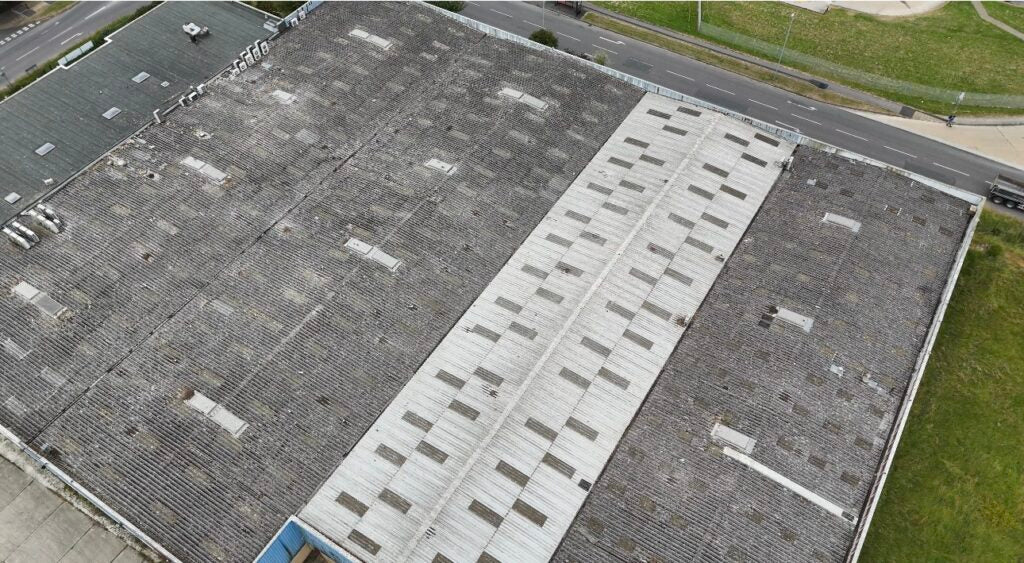
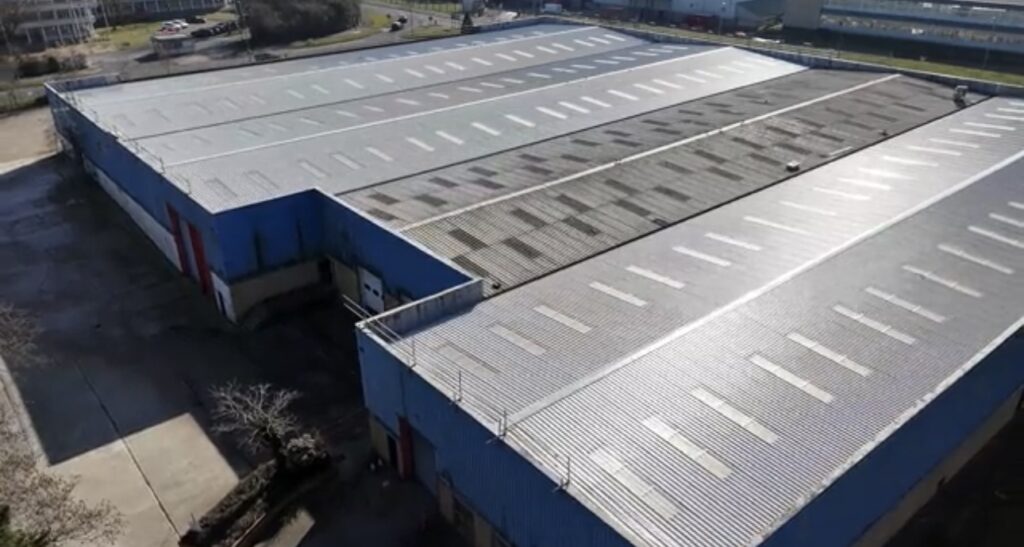
The lesson is not that every warranty must be 25 years. It is that the warranty, installed system and evidence record must describe the same completed work.
The certificate is not the roof
Commercial clients are often presented with a warranty period as if the number alone settles quality: ten years, twenty years, twenty five years. But a long period printed on a certificate does not identify the roof build up, prove the correct fixings were used or show that every gutter, rooflight and penetration sits within the same protection.
The most important questions are not only “How long is the warranty?” They are “Who stands behind it, what exactly is covered, what evidence supports the installation and what must the client do to keep it valid?”
Four different promises are often confused
| Document | What it may cover | What it does not automatically prove |
|---|---|---|
| Product warranty | A component supplied by a manufacturer | Correct design, installation or interface detailing |
| System warranty | A defined assembly installed to approved requirements | Every adjacent element unless expressly included |
| Workmanship warranty | The contractor installation obligations | Failure caused by design, misuse, other trades or excluded maintenance |
| Building Regulations certification | Compliance route for applicable work | A blanket guarantee of future performance |
What the client should receive at handover
- The final agreed scope and any authorised changes.
- Product and system information for the installed roof.
- Approved or project specific details where relevant.
- Photographs of concealed and completed work at useful stages.
- Inspection records, snag completion and testing where specified.
- Certificates of conformity or Building Regulations documentation where applicable.
- Warranty documents, exclusions, maintenance conditions and claim process.
- Safe access, maintenance and future alteration guidance.
- As built drawings or marked up roof plans where the project requires them.
Why photographs matter
A completed metal roof can look excellent from the ground while the important work is hidden. Spacer rails, fixings, lap preparation, sealants, membrane details, insulation continuity and interface closures may no longer be visible. Staged photographs create a record that can support quality review, future maintenance and a warranty claim.
On a high level safety netting installation, our completion pack used a structured photographic record showing the net panels, perimeter wire rope, visible wall fixings, guardrail interface and access context. The same principle applies to roofing: evidence should show the client what was installed, not merely that the project finished.
The exclusions that clients discover too late
Many disputes begin at an interface. The roof sheet is warranted, but the existing gutter is not. The coating is covered, but the rooflight upstand is excluded. The new system is protected, but water enters through a retained wall cladding joint. A client may reasonably feel they bought a complete roof solution while the documents describe several separate obligations.
If an interface can leak, corrode, move or be altered, its responsibility should be visible before the contract is signed.
A better warranty conversation
The contractor should explain the warranty route during tender, not at the end. The client should understand manufacturer inspections, approved installer requirements, maintenance intervals, permitted future works, drainage duties, notification periods and who controls any repairs.
A good handover pack is not administrative decoration. It is part of the roof asset. It helps the facilities team maintain the building, gives future contractors a reliable record and makes the warranty more than a number in a proposal.
Related TCR insight
Browse buyer guidance, technical project lessons and construction market analysis from TCR.
Explore all commercial roofing insightsRelevant TCR services
Frequently asked questions
What is the difference between a system and workmanship warranty?
A system warranty normally relates to a defined manufacturer assembly and conditions. A workmanship warranty relates to the contractor installation. The exact terms vary and must be read.
Can another contractor work on a warranted roof?
Possibly, but unauthorised alterations may affect cover. The client should check the warranty conditions and notify the relevant provider before work.
Should photographs be included in every handover pack?
For substantial projects, staged and completed photographs are highly valuable. The required level should be agreed before work starts.
Does a long warranty mean the roof will need no maintenance?
No. Gutters, outlets, sealants, rooflights and interfaces still require inspection and maintenance. Many warranties include explicit client obligations.
Client confidentiality: The project example is anonymised. No client or building name is used.
Define the handover before the roofing work starts
Share the proposed roofing scope and contract requirements. TCR can clarify the completion photographs, product information, inspection records and warranty documents expected at handover.
Discuss project handover