31 August 2026
Cambridge Wants Faster Growth. Speed Will Punish Every Roofing Package That Is Still Vague
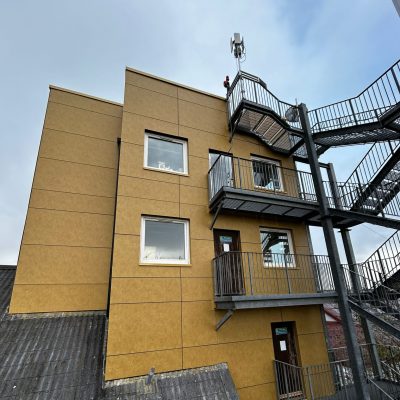
Planning can be accelerated. Water still needs a fall, a gutter still needs capacity and a cladding interface still needs somebody to own it.
Speed is useful. Speed without scope is simply a faster route to the same argument.
Greater Cambridge needs infrastructure and development capacity, but compressed programmes will punish every roofing and cladding package that reaches tender with missing interfaces. Accelerated delivery should mean earlier specialist decisions, not later specialist assumptions.
How can Cambridge projects move faster without creating envelope risk?
The proposed Greater Cambridge Development Corporation is intended to support growth while major constraints such as water, sewage, electricity and transport are addressed. At project level, roofing and cladding packages also need infrastructure thinking. Buyers should define drainage, fire and weathering interfaces, plant, access, retained fabric, design responsibility and evidence requirements before tender so specialists are pricing the same buildable problem.
Infrastructure is not only water, roads and electricity
Cambridge City Council has welcomed government investment intended to address water scarcity, sewage capacity, electricity supply and transport constraints, while raising questions about the proposed development corporation’s powers and delivery arrangements.
Those are major regional issues. Every individual development also contains a smaller infrastructure network above the occupied space: roofs, gutters, outlets, façades, access systems, fire barriers and plant interfaces. They are less visible in a growth announcement and no less capable of stopping a programme.
Faster planning does not make a vague roof package buildable. It only brings the vague package to site sooner.
A project that wants speed should remove avoidable uncertainty before the specialist contractor is asked for a fixed price and a fixed programme.
Vagueness does not transfer risk. It concentrates it
Procurement documents sometimes use broad performance language to make a package appear complete. The intention is to place design and coordination responsibility with the specialist. The result can be the opposite.
If the specialist does not know the final plant positions, façade build up, fire strategy, roof access standard, construction sequence or state of retained fabric, they cannot remove those risks by accepting a design clause. They can price assumptions, exclude them or absorb a contingency that makes the tender difficult to compare.
The fastest route is not to specify every fixing from the centre. It is to define the outcome, constraints, interfaces and approval route clearly enough for specialist design to begin with reliable inputs.
| Vague instruction | Information that is actually needed |
|---|---|
| “Contractor to design roof” | Performance, build up, loads, fire requirements, interfaces, warranty, drainage and approval responsibilities. |
| “Allow for access” | Working heights, internal operations, edge conditions, scaffold or MEWP constraints and permanent maintenance needs. |
| “Make good penetrations” | Known openings, kerb standards, sequencing, temporary weathering and responsibility for later changes. |
| “Match existing” | Surveyed profile, material, condition, compatibility and the reason matching is required. |
Early specialist input is not the same as early subcontract award
Project teams sometimes resist involving a specialist because they do not want to commit to a contractor too early. That is understandable. It also confuses technical input with procurement lock in.
A roofing and cladding specialist can review buildability, access, sequencing, common exclusions and survey requirements before the final tender. The project can still run a competitive process. The difference is that the competition is based on a better defined package.
That early review is particularly valuable on science, technology and mixed use buildings where roofs may carry dense plant, future services, solar installations or complex façade interfaces. A short technical conversation before tender can remove months of clarification later.
A programme is only as real as the decisions beneath it
Roofing and cladding activities are affected by weather, access, preceding structure, interface release, material lead times, internal protection and inspections. A programme bar does not make those dependencies disappear.
Accelerated projects need explicit decision dates: when profiles are approved, when surveys are complete, when openings are frozen, when support steel is released, when cladding interfaces are coordinated and when warranty submissions are accepted.
If those dates are absent, the specialist is asked to protect the completion date while the inputs remain movable. That is not acceleration. It is unpriced programme risk.
Our verdict: faster development needs earlier truth
Clarity is a construction accelerator
Cambridge’s growth ambitions will need capable specialist supply chains. The best way to use them is to bring the real roofing and cladding decisions forward, define what remains unknown and let bidders compete on a common scope.
Speed should reduce waiting. It should not reduce thinking.
TCR carries out commercial and industrial roofing, cladding, surveys, refurbishment and replacement in Cambridge and nationwide. We can review a specialist package before tender and identify missing scope, interface, access and programme information.
Relevant roofing and cladding routes
Frequently asked questions
What information should be complete before a roofing and cladding tender?
The tender should define performance, build ups, quantities, interfaces, access, programme, design responsibility, warranty, evidence, known existing conditions and the assumptions bidders must use.
Can TCR review a roofing package before tender?
Yes. TCR can review available drawings, scope, access and programme information and identify items that need clarification before a dependable quotation can be prepared.
Does TCR cover commercial roofing and cladding in Cambridge?
Yes. TCR carries out commercial and industrial roofing, cladding, surveys, refurbishment and replacement work in Cambridge and nationally.
Official sources
- Cambridge City Council: initial response to the Greater Cambridge Development Corporation — Published 3 June 2026.
This is independent commentary on publicly available information. Total Cladding and Roofing Ltd is not claiming appointment to, endorsement by or involvement in the named development unless expressly stated elsewhere.
Is a Cambridge roofing or cladding package moving faster than the information?
Send TCR the tender documents, drawings, programme and known site constraints. We can identify the assumptions, missing interfaces and survey questions that should be resolved before the package reaches site.
Send the project detailsBrowse more analysis for commercial property and construction decision makers.
View all TCR insightsThe article is general commercial and technical commentary, not a substitute for a project-specific survey, design, structural assessment or specification.