31 August 2026
Bristol Harbour Has a £767,000 Problem. It Is Really an Asset Maintenance Warning
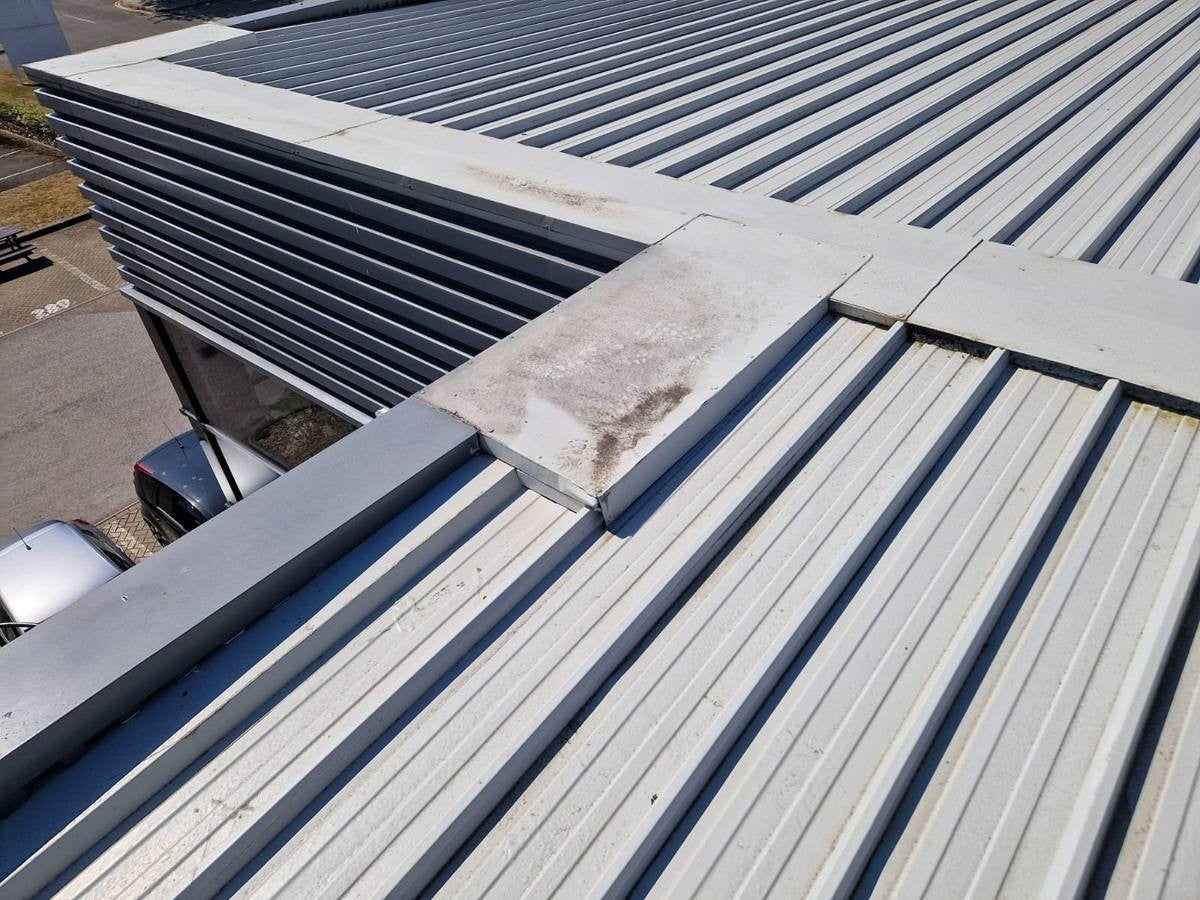
A £767,000 operating deficit sounds like a finance problem. On an estate with ageing physical assets, part of the invoice is often being written by the buildings.
Deferred maintenance does not disappear. It waits until it can choose the timing for you.
Bristol Harbour’s 2026 to 2031 plan is not a roofing document, but it carries a familiar warning. When operating budgets, estate income and infrastructure renewal are disconnected, property defects become emergencies and emergencies consume the money that planned work was meant to save.
What is the asset management lesson from Bristol Harbour?
The Harbour Business Plan recorded a £767,000 operating deficit for 2025 to 2026, with revenue of £3.75 million against costs of £4.52 million, while also recognising the need to maximise value from estate assets and maintain vital infrastructure. For other commercial estates, the lesson is to connect roof and envelope condition data to the financial plan before failures dictate spending priorities.
Buildings write part of the budget whether finance notices or not
The Bristol Harbour Business Plan records an operational deficit of £767,000 for 2025 to 2026. It also sets out ambitions to improve marine services, maximise value from estate assets and build a more sustainable operating model.
That combination is familiar to anybody managing a commercial estate. The organisation needs its property to earn, serve or support operations. At the same time, roofs, cladding, gutters, windows and structures continue ageing. When the physical condition is not translated into a financial plan, defects arrive as unplanned requests that appear to compete with the “real” business.
You cannot lease, market or programme your way out of a building that is allowing water in.
The mistake is not always under spending. It is spending without knowing which assets have the greatest consequence of failure and which intervention will buy a useful period of life.
Waterfront buildings are not operating in a neutral environment
A harbour estate adds exposure. Wind driven rain, salt, changing temperatures and complex historic interfaces can accelerate coating breakdown, corrosion and water entry. The building may also be difficult to access without affecting tenants, visitors, roads or marine operations.
These conditions do not mean every roof needs wholesale replacement. They do mean that a ground level visual check and a list of active leaks are inadequate. An estate owner needs to understand where the envelope is failing, where it is merely ageing and where a local repair would only hide a wider problem.
Coatings, cut edges, fixings, gutters and metal interfaces can deteriorate at different rates.
Blocked, undersized or damaged rainwater routes can turn a local issue into widespread internal damage.
Routine inspection becomes expensive when no safe route was retained around occupied or public areas.
Commercial tenants and public operations may require works to be split around use, weather and access windows.
An estate should be condition led, not leak led
Reactive maintenance creates a distorted view of risk. The building that produces the most complaints receives the money. A quieter roof with exhausted sheets, fragile rooflights or failing hidden gutters may receive nothing until the consequence is much larger.
A portfolio survey should therefore compare buildings on common criteria: condition, consequence of failure, remaining life, safe access, operational importance, known hazardous materials and the cost of delay. The result does not need to be a 200 page report that nobody uses. It needs to tell the owner what should happen first, what can be monitored and what information is still missing.
| Approach | What drives the spend | Likely result |
|---|---|---|
| Leak led | Complaints and visible damage | Money follows symptoms and recurring repairs. |
| Age led | Oldest building first | Age is treated as condition, even where performance differs. |
| Condition and consequence led | Evidence, risk and operational impact | Capital work can be phased around the assets that matter most. |
Maximising estate income starts with assets people can rely on
Property strategies often focus on rent, use, redevelopment and commercial opportunity. Those are reasonable priorities. They are also dependent on the building remaining dry, safe and serviceable.
A tenant considering investment in a unit will care whether the roof can support their fit out period. A lender or buyer will care whether the repair history disguises a larger liability. An insurer will care about condition, records and controls. A facilities team will care whether a routine gutter inspection requires an emergency scaffold.
Roofing is not the whole asset strategy, but it can frustrate every other part of it. The sensible route is to bring the envelope condition into the same planning conversation as occupancy, income and redevelopment.
Our verdict: maintenance is a commercial decision, not a facilities nuisance
The roof does not care which budget owns it
Bristol Harbour’s challenge is specific to its estate, but the wider lesson applies across commercial property. If condition information sits in one department and financial planning sits in another, the building will eventually force them together at the worst possible time.
Survey the estate, rank the consequence and build a renewal programme before the defects build one for you.
TCR carries out commercial roof surveys, refurbishment, cladding, overcladding and replacement work in Bristol and across the UK. For multi building estates, we can help identify condition, risk and priority so capital spending follows evidence rather than the loudest leak.
Relevant roofing and cladding routes
Frequently asked questions
How often should a commercial property portfolio be surveyed?
The frequency depends on roof type, age, condition, exposure, access and operational consequence. Higher risk or deteriorating roofs may need more frequent inspections than newer, lower risk assets.
Can one survey prioritise several commercial buildings?
Yes. A consistent estate survey can compare condition, consequence, remaining life, access and budget priorities across several buildings, provided the scope and reporting method are agreed.
Does TCR carry out commercial roof surveys in Bristol?
Yes. TCR carries out commercial roof surveys, refurbishment, cladding, overcladding and replacement work in Bristol and nationally.
Official sources
- Bristol City Council: Bristol Harbour Business Plan 2026 to 2031 — Published business plan and financial context.
This is independent commentary on publicly available information. Total Cladding and Roofing Ltd is not claiming appointment to, endorsement by or involvement in the named development unless expressly stated elsewhere.
Managing several commercial roofs without a reliable priority list?
Send TCR the estate schedule, building uses, known defects, previous reports and available roof information. We can discuss a survey and reporting route that supports real capital planning rather than another isolated repair list.
Send the project detailsBrowse more analysis for commercial property and construction decision makers.
View all TCR insightsThe article is general commercial and technical commentary, not a substitute for a project-specific survey, design, structural assessment or specification.