31 August 2026
Oxford’s Lab Boom Is Hiding a Harder Question: What Happens to the Buildings Already There?
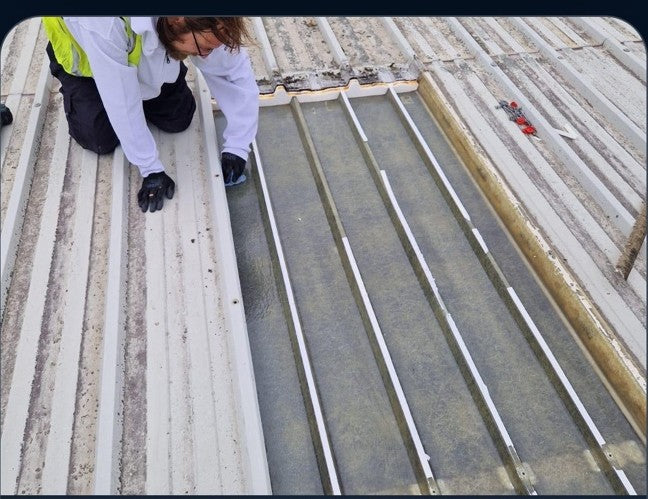
Every glossy photograph of a new Oxford laboratory has an older warehouse, workshop or office just outside the frame.
Growth does not make the existing stock optional. It makes the weak buildings easier to notice.
Oxford’s research and development pipeline is substantial, but new space will not remove the need to manage existing commercial and industrial buildings. Owners who wait for a leak, a lease event or a refinancing deadline before understanding the roof will negotiate from the weakest position.
What does Oxford’s laboratory growth mean for existing property owners?
Oxford’s employment assessment identified around 175,000 square metres of research and development space under construction and a further 350,000 square metres in the pipeline. Existing buildings will face stronger comparison on energy performance, condition, appearance and reliability. Owners should establish whether roofs and cladding can be refurbished or overclad before defects, void periods or tenant requirements turn the decision into an emergency.
New space changes the standard applied to old space
Oxford City Council’s 2026 Employment Land Needs Assessment describes research and development activity as having accelerated sharply, with about 175,000 square metres under construction and a further 350,000 square metres in the pipeline. The report associates that pipeline with around 10,000 additional high quality research and development jobs.
That is a growth story. It is also a comparison problem for older buildings. Occupiers choosing between premises will notice the roof leaks, faded cladding, poor daylight, difficult access and uncertain energy performance that were tolerated when alternatives were limited.
The new laboratory does not have to take your tenant to affect your building. It only has to show them what better looks like.
Existing owners therefore need an honest view of the envelope. A dated appearance may be straightforward to improve. A roof with repeated repairs, fragile rooflights and unknown hidden corrosion may require a more deliberate programme.
Refurbishment is not the second best option
There is a habit in property marketing of treating “new” as premium and “refurbished” as compromise. A well planned roof and cladding refurbishment can give an existing building a credible service life, improve thermal performance, reduce water ingress risk and make it easier to let without the cost and carbon of wholesale redevelopment.
The word refurbishment, however, covers several very different interventions. It can mean local repairs, cut edge treatment, gutter lining, rooflight replacement, coating, overcladding or full roof replacement. Those routes do not deliver the same life, warranty or risk profile.
| Condition | Possible route | Evidence needed |
|---|---|---|
| Localised defects on an otherwise serviceable roof | Targeted repair and planned monitoring | Survey evidence that the defects are genuinely isolated. |
| Widespread ageing but viable structure | Coating, rooflight and gutter refurbishment, or overcladding | Condition, compatibility, loading and detail assessment. |
| Exhausted covering or repeated system failure | Planned replacement | Clear scope, access, programme and operational strategy. |
Do not wait for the lease event to discover the roof
A lease break, renewal or dilapidation negotiation creates a deadline. It is a poor time to discover that the roof information is incomplete, the access cannot be arranged quickly or the visible repairs have been hiding a larger failure.
Owners should understand the roof before the commercial event. That gives time to decide whether work supports tenant retention, reletting, sale or refinancing. It also allows the cost to be considered against the benefit rather than treated as a surprise deduction from the deal.
The same applies to occupiers. A building that appears cheaper may carry an envelope liability through repairing obligations, operational disruption or an unclear dilapidation position. A pre acquisition or lease survey should look above the suspended ceiling and beyond the newest patch.
Solar proposals will expose the maintenance backlog
Science and technology estates are under pressure to demonstrate energy and carbon improvements. Rooftop solar is an obvious opportunity, particularly on larger industrial and commercial buildings.
It is also an unforgiving audit of the existing roof. A proposed solar life of two decades or more cannot sit comfortably above a covering with a much shorter credible service life. Every panel placed over an uncertain roof makes later access and replacement more complicated.
The right question is not whether solar can physically fit. It is whether the roof, structure, waterproofing, drainage, access and warranty strategy are ready to support it. Where refurbishment is already likely, combining the decisions can avoid paying twice for access and temporary removal.
Our verdict: Oxford’s old stock needs a plan, not an apology
Existing buildings can compete if owners stop managing them by complaint
Oxford’s development pipeline will raise expectations. That does not condemn older commercial property. It rewards the owners who understand condition, invest before failure and can explain what life their roof and cladding still have.
The building does not need to be new. It needs to be dependable, presentable and honestly documented.
TCR carries out commercial and industrial roof surveys, refurbishment, overcladding, cladding and replacement in Oxford and nationally. We can help an owner understand the existing envelope before a lease event, acquisition, solar proposal or capital plan forces a rushed decision.
Relevant roofing and cladding routes
Frequently asked questions
Can an older Oxford industrial building compete with new laboratory space?
Yes, where the location, use and structure remain suitable and the owner addresses condition, weathering, thermal performance, appearance, access and evidence through a planned refurbishment strategy.
When is overcladding suitable for an existing industrial roof?
Overcladding may be suitable where the existing structure and roof can support the proposed system and the defects, drainage, rooflights, insulation, condensation and fire requirements can be resolved in a designed build up.
Does TCR provide commercial roof surveys in Oxford?
Yes. TCR carries out commercial roof surveys, refurbishment, overcladding, cladding and replacement work in Oxford and throughout the UK.
Official sources
- Oxford City Council: Employment Land Needs Assessment, January 2026 — Official evidence base for employment space and development pipeline.
This is independent commentary on publicly available information. Total Cladding and Roofing Ltd is not claiming appointment to, endorsement by or involvement in the named development unless expressly stated elsewhere.
Does an existing Oxford building need a credible roof plan?
Send TCR the site information, known defects, roof type, lease or investment timetable and any previous reports. We can discuss the survey and commercial options before the building reaches a forced decision.
Send the project detailsBrowse more analysis for commercial property and construction decision makers.
View all TCR insightsThe article is general commercial and technical commentary, not a substitute for a project-specific survey, design, structural assessment or specification.