31 August 2026
Asbestos Roof Overcladding Must Be Designed Around the Live Building
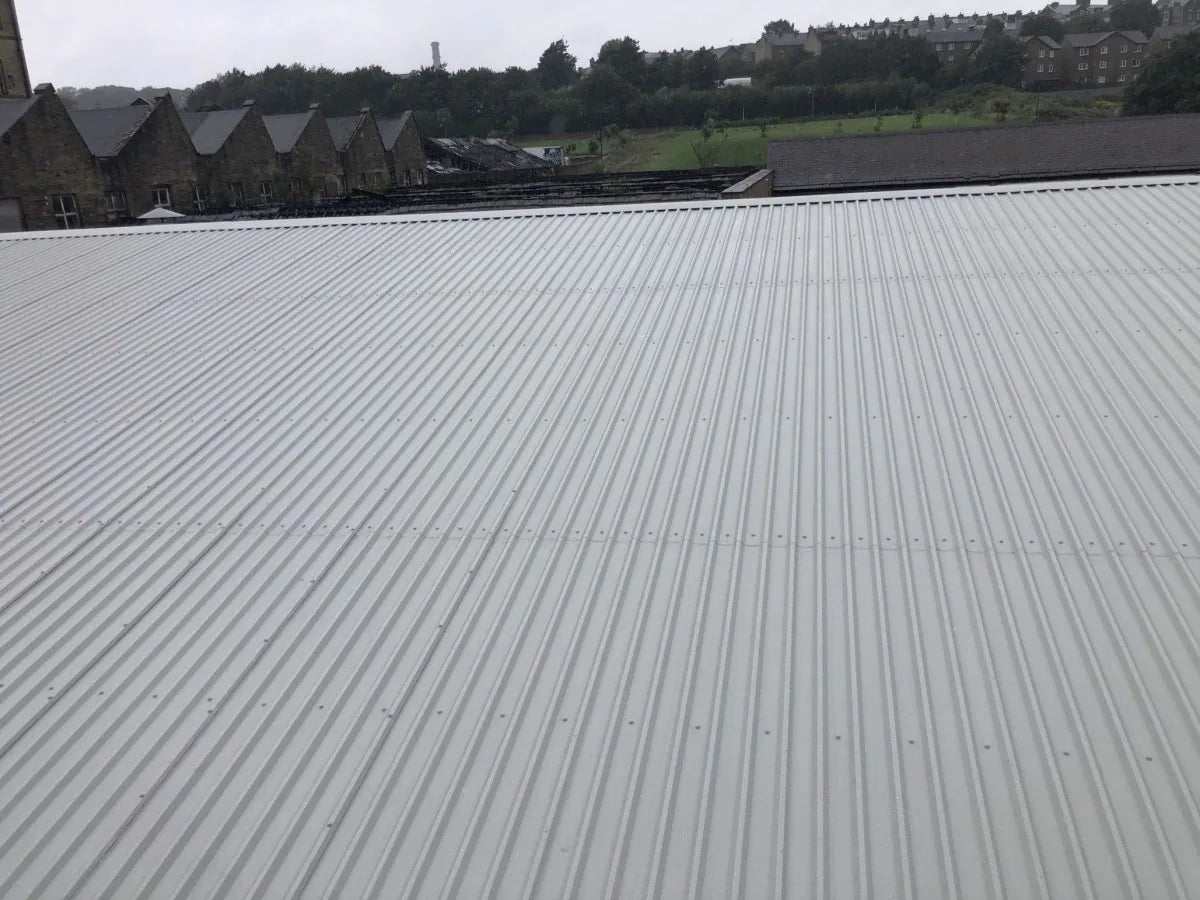
Project insight
The roof system is only half the project. A live asbestos roof overclad must protect the people, production, stock and operations beneath it.
An asbestos overclad that ignores the live building is not a construction solution. It is a roofing product placed above an unmanaged operational risk.
Direct answer
Asbestos cement roof overcladding on an occupied industrial building requires asbestos information, a suitable plan of work, fragile roof controls, safe access, internal protection, structural and condensation review, coordinated rooflights and drainage, controlled deliveries and a documented handover. The installation method must be designed around the business below, not added after the roof system is selected.
Project evidence: the operating facility shaped the roofing method
An anonymised industrial overclad was planned around restricted access and a working facility. The roof system, deliveries, scaffold, internal protection and sequence were agreed as connected parts of the same six-week programme.
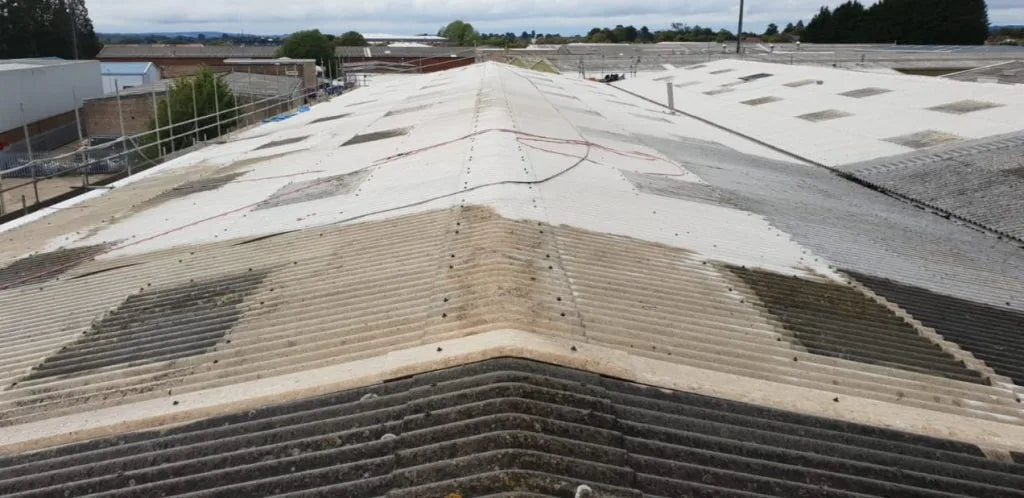
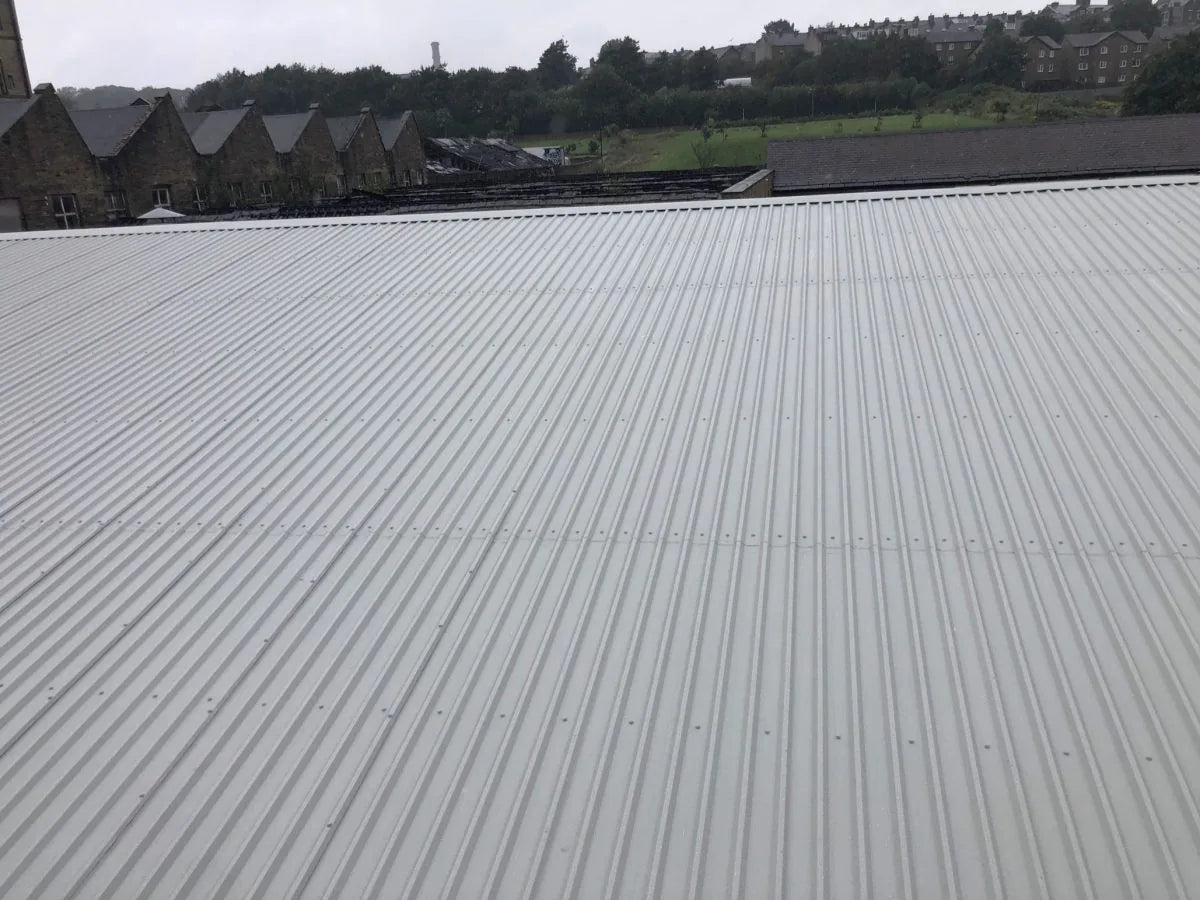
The existing asbestos-cement material remained part of the managed building information after completion. Overcladding did not make that responsibility disappear.
Why live site overcladding is attractive
For an operational industrial client, removing an asbestos cement roof can create major internal exposure, temporary weathering and programme requirements. Overcladding may allow the existing roof to remain while a new external system improves weathering and thermal performance.
On one anonymised TCR project, a six week programme was developed around a live operation. The commercial benefit came from coordinated delivery, not from pretending the existing asbestos roof no longer mattered.
The existing roof remains fragile
Fibre cement sheets and many rooflights must be treated as fragile unless a competent assessment confirms otherwise. The installation method may require platforms, safety netting, restraint, covers, MEWPs or other controls. Walking purlin lines or assuming a sheet will support an operative is not acceptable.
The client also needs an up to date asbestos register or survey information relevant to the work. Most asbestos cement activity may be non licensed when the legal conditions are met, but it still requires risk assessment, suitable training, controls and a plan of work.
The business below changes the method
- Production lines and sensitive machinery may require internal protection or exclusion.
- Dust, debris and dropped object risks must be controlled.
- Noisy fixing work may need agreed windows.
- Deliveries and lifting can conflict with staff, vehicles and loading bays.
- Openings around rooflights, vents and penetrations may affect internal conditions.
- Emergency and rescue arrangements must reflect the real access route.
- The programme should define what happens during high winds or wet weather.
Interfaces decide whether the roof performs
The main overclad sheets are rarely the most difficult detail. Gutters, outlets, rooflights, ridges, eaves, abutments, vents and service penetrations determine whether the completed roof manages water and movement properly. Existing defects should be recorded and incorporated into the scope rather than buried beneath the new system.
| Interface | Question before installation |
|---|---|
| Gutters and outlets | Are capacity, falls, corrosion, linings and overflow routes suitable for the revised roof? |
| Rooflights | Will daylight be retained, replaced, over sheeted or removed, and how will fragility be controlled? |
| Existing sheets | Are damaged areas stable enough to retain and work around? |
| Structure | Can the purlins and frame support the additional system and wind loads? |
| Insulation and vapour | Will the build up manage condensation for the building use? |
| Future maintenance | Can gutters, plant and roof areas be safely accessed after completion? |
Overcladding is not asbestos removal by stealth
The existing asbestos containing material remains in the building and must remain in the client asbestos management information. Future contractors need to know it is present beneath the new roof. Penetrations, maintenance and later alterations must be controlled accordingly.
What a credible proposal should show
The proposal should connect the roofing design to the live site method. It should identify asbestos information, fragile surface controls, internal protection, access, lifting, rooflights, drainage, structural responsibility, programme and evidence. If those items are absent, the client is not comparing complete overclad solutions.
Related TCR insight
Browse buyer guidance, technical project lessons and construction market analysis from TCR.
Explore all commercial roofing insightsRelevant TCR services
Frequently asked questions
Does asbestos cement roof overcladding require a licensed asbestos contractor?
Many asbestos cement tasks can be non licensed when legal conditions are met, but the work still requires assessment, trained people, controls and the correct plan. The specific activity must be reviewed.
Can an occupied building remain open during overcladding?
Often, yes, where access, internal protection, noise, debris, deliveries, weather and emergency arrangements are properly planned.
Does overcladding remove the asbestos liability?
No. The asbestos cement remains in place and must stay within the client asbestos management information for future work.
Can old rooflights be left under the new system?
That depends on the design and required daylight, fire, thermal, fragility and maintenance outcomes. The treatment must be explicit.
Official sources and further reading
Client confidentiality: Based on an anonymised TCR industrial client project. No client or building name is used.
Planning asbestos roof overcladding on a live site?
Send the building use, roof area, existing surveys, photographs and operational restrictions. TCR can review the roof route, internal protection, access and programme requirements.
Discuss the live-site project